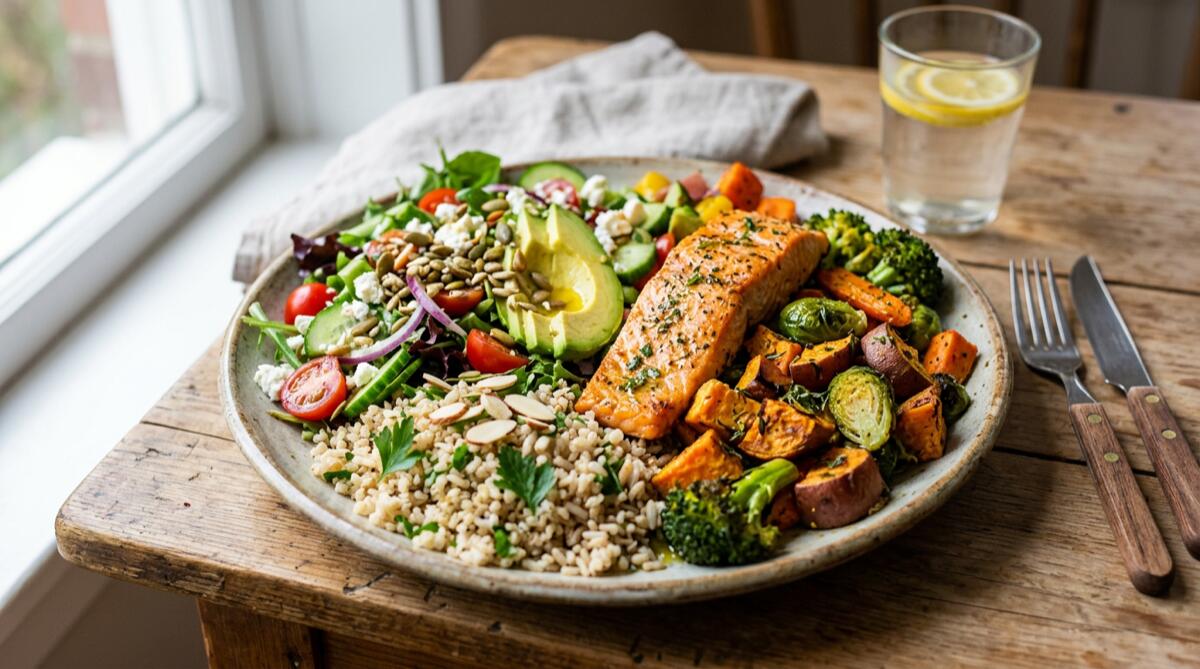
The Myth of the Starvation Diet
For decades, the diet industry has sold us a painful lie: to lose weight, you must suffer. We've been conditioned to believe that a rumbling stomach is the sound of fat burning, and that extreme restriction is the only path to a slimmer waistline. But if you're wondering how to lose weight without starving yourself, you're already asking the right question.
The truth is, crash diets and severe caloric restriction are not only miserable—they are scientifically proven to fail long-term. When you starve yourself, your body fights back. It ramps up hunger hormones, slows down your metabolism, and eats away at your hard-earned muscle mass. Fortunately, there is a better way. By understanding energy balance, prioritizing the right foods, and leveraging smart technology like MacroLog, you can achieve your dream physique while feeling full, energized, and satisfied.
The Science of Weight Loss: Why Starving Doesn't Work
Understanding Energy Balance
At its core, weight loss is governed by a simple principle: energy balance. To lose fat, you must consume fewer calories than your body burns. This is known as a calorie deficit. If you want to dive deep into the mechanics of this, check out our ultimate guide on What Is a Calorie Deficit and How Does It Work?.
However, a deficit does not mean deprivation. Many people assume they need to slash their calories to 1,200 or less to see results. This drastic reduction triggers metabolic adaptation. Your body, sensing a famine, becomes highly efficient at storing fat and reducing energy output. To understand how your body burns energy on a daily basis, it's crucial to learn about your Total Daily Energy Expenditure (TDEE).
The Role of Hunger Hormones
When you aggressively cut calories, your body increases the production of ghrelin (the hunger hormone) and decreases leptin (the satiety hormone). This hormonal shift makes you obsess over food, eventually leading to binge eating. To sustainably lose weight, your strategy must keep these hormones in check. This is why understanding the science of energy balance is far more effective than blindly skipping meals. GLP-1 medications work on this exact hormonal circuit, which is why they remove the hunger but not the need to plan what you eat — see how to eat on a GLP-1 when your appetite disappears.
5 Proven Strategies to Lose Weight Without Starving
1. Master the Art of Volume Eating
Volume eating is the ultimate secret weapon for anyone who loves large portions. The concept is simple: fill your plate with foods that have a low calorie density. These are foods that take up a lot of physical space in your stomach but contain very few calories, primarily because they are rich in water and fiber.
- Non-starchy vegetables: Spinach, broccoli, cauliflower, zucchini, and bell peppers. You can eat a massive bowl of a mixed salad for the same calories as a single tablespoon of olive oil.
- Fresh fruits: Berries, watermelon, and apples provide sweet satisfaction with minimal caloric impact.
- Smart swaps: Swap regular pasta for zucchini noodles, or use cauliflower rice instead of standard white rice to double your portion size without doubling the calories.
2. Prioritize Protein and Fiber
If there's a magic duo for satiety, it's protein and fiber. Protein is the most satiating macronutrient. It takes longer to digest and has a high Thermic Effect of Food (TEF), meaning your body burns more calories just breaking it down. Fiber adds bulk to your meals and slows down gastric emptying, keeping you full for hours.
Make sure every meal contains a solid source of lean protein (chicken breast, tofu, Greek yogurt, fish) and a high-fiber carbohydrate (oats, lentils, beans). If you're unsure how to balance these nutrients, read our comprehensive guide on What Are Macros? and learn How to Count Macros Step-by-Step.
3. Find Your "Sweet Spot" Calorie Deficit
To lose weight without starving, you need a moderate, sustainable calorie deficit—usually around 300 to 500 calories below your TDEE. This gentle reduction allows for steady fat loss (about 0.5 to 1 pound per week) without triggering extreme hunger.
Before you start, you need to know your baseline. Learn the difference between your resting metabolism and active burn in our article BMR vs TDEE: What's the Difference and Why It Matters. You can also calculate your exact needs using the highly accurate Mifflin-St Jeor Equation.
4. Don't Fear Healthy Fats
While fats are calorie-dense (9 calories per gram compared to 4 for protein and carbs), they are essential for hormone regulation and long-lasting satiety. A diet completely devoid of fat will leave you feeling hungry and lethargic. Incorporate moderate amounts of avocados, nuts, seeds, and olive oil into your meals. Wondering what the right amount is? Check out our guide: How Much Fat Should You Eat Per Day?.
5. Track Smart, Not Hard
Awareness is everything. You can't manage what you don't measure. Tracking your food intake ensures you are actually in a deficit while allowing you the flexibility to fit in your favorite treats. If you're new to this, start with How to Count Calories: The Complete Beginner's Guide.
Many people hate tracking because typing in every ingredient feels tedious. This is where MacroLog changes the game. Instead of manually searching for foods, MacroLog uses advanced AI to make tracking effortless. You can simply take a photo of your meal, use voice logging to say "I ate a bowl of oatmeal with a banana," or scan a barcode. It takes the obsession out of tracking, aligning perfectly with the principles in our guide on How to Track Calories Without Becoming Obsessive.
Common Mistakes That Keep You Hungry
Drinking Your Calories
Liquid calories—like sodas, heavily sweetened coffees, and juices—do not register in your brain the same way solid food does. You can easily consume 400 calories of a caramel latte and feel just as hungry as you were before. Stick to water, black coffee, or zero-calorie beverages to save your calorie budget for actual, filling food.
Guessing Portion Sizes
A common reason people feel they are "starving" but not losing weight is hidden calories. A heavy pour of olive oil or an extra handful of nuts can add hundreds of calories to your daily total, wiping out your deficit. This is exactly Why Your Calorie Count Is Wrong (And How to Fix It). Using a digital food scale for calorie-dense items is a game-changer.
The "All or Nothing" Mindset
Strictly banning your favorite foods often leads to intense cravings and binge eating. Incorporating intuitive eating principles alongside mindful tracking can create a healthy balance. Read more about finding your perfect approach in Calorie Counting vs Intuitive Eating: Which Is Right for You?.
How MacroLog Makes Weight Loss Effortless
The secret to losing weight without starving yourself is consistency, and consistency requires a system that fits seamlessly into your lifestyle. MacroLog was built specifically to remove the friction from dieting.
- AI Photo Recognition: Out at a restaurant? Just snap a picture of your plate. MacroLog's AI will analyze the food and estimate the calories and macros instantly.
- Voice Logging: Cooking at home and have messy hands? Just tell the app what you're eating. "I had two scrambled eggs with a slice of sourdough toast."
- Barcode Scanning: Grocery shopping or grabbing a quick snack? Scan the barcode for immediate, accurate nutritional data.
By using a science-based approach to Calorie Tracking for Weight Loss, you empower yourself with data. You'll quickly learn which foods keep you full and which leave you hungry, allowing you to optimize your diet naturally over time. If you're wondering about the timeline for this journey, our article on How Long Should You Track Calories? provides a complete roadmap.
Conclusion
You do not need to starve to achieve the body you want. By embracing volume eating, prioritizing protein, maintaining a moderate deficit, and tracking your intake intelligently, you can lose weight while feeling completely satisfied. Ditch the crash diets, stop fearing food, and start making informed choices.
Ready to take control of your nutrition without the headache of manual tracking? Let AI do the heavy lifting for you. Download MacroLog today and start your journey to a healthier, happier you—no starvation required.


