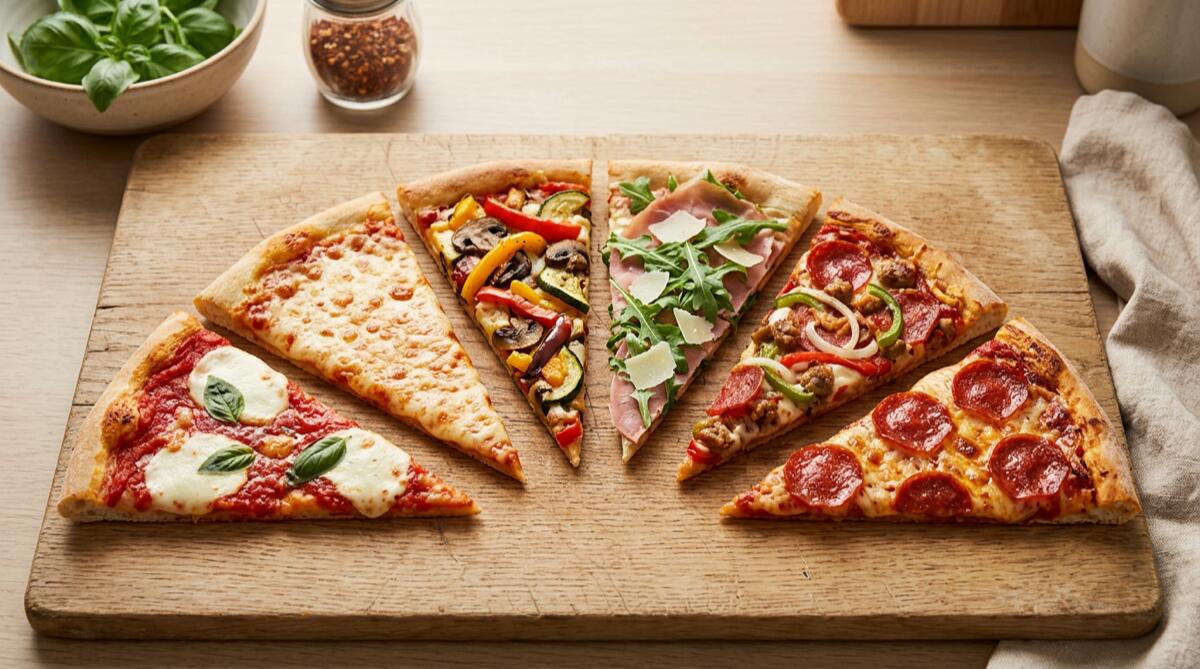
It is the ultimate comfort food, the star of Friday nights, and the centerpiece of countless parties. But if you are on a fitness journey, you have probably asked yourself this dreaded question: exactly how many calories in pizza are there? For many people trying to lose weight or maintain a healthy lifestyle, pizza feels like an off-limits indulgence. But understanding the nutritional breakdown of your favorite slice can change everything.
The Anatomy of Pizza Calories
To truly understand the calories in pizza, we have to deconstruct it. A pizza is essentially a combination of four distinct elements, each contributing to your daily energy intake differently. If you have ever wondered when it comes to junk food, the answer is yes—but the source of those calories matters for your satiety and overall health.
1. The Crust (Carbohydrates)
The foundation of any pizza is the crust, and it is also where a significant portion of the calories comes from. Crusts are primarily made of refined flour, which is dense in carbohydrates. A thin crust will naturally have fewer calories than a thick, pan-tossed, or deep-dish crust. In fact, upgrading from a thin crust to a deep-dish crust can double the calories before you even add a single topping.
2. The Cheese (Fats and Proteins)
Mozzarella is the classic pizza cheese. While it provides a good dose of calcium and protein, it is also very calorie-dense due to its fat content. If you are tracking your macros, you will quickly learn that fats contain 9 calories per gram, compared to the 4 calories per gram found in carbs and proteins. If you are unsure about your fat intake, our guide on how much fat you should eat per day is a great place to start.
3. The Sauce (Carbohydrates and Sugars)
Traditional tomato sauce is relatively low in calories, usually sitting around 15-20 calories per slice. However, commercial pizzerias often add hidden sugars to balance the acidity of the tomatoes. If you opt for alternative sauces like Alfredo, BBQ, or garlic butter, the calorie count will skyrocket.
4. The Toppings (Proteins, Fats, and Fiber)
This is where things get interesting. Veggie toppings like mushrooms, onions, bell peppers, and spinach add incredible volume, fiber, and micronutrients for almost zero calories. On the other hand, processed meats like pepperoni, sausage, and bacon bring heavy amounts of saturated fat and sodium.
How Many Calories in a Slice of Pizza? (By Topping)
Let's look at a standard 14-inch large pizza, cut into 8 slices. Keep in mind that these are averages. The exact calories in pizza will vary wildly depending on the restaurant and how heavy-handed the chef is with the cheese.
- Cheese Pizza: 200 - 250 calories per slice. A solid baseline. It offers a balance of carbs from the crust and fat/protein from the cheese.
- Pepperoni Pizza: 250 - 300 calories per slice. Pepperoni is essentially cured meat packed with fat, which is why you often see those delicious (but greasy) little orange puddles on your slice.
- Meat Lover's Pizza: 350 - 400+ calories per slice. Loaded with sausage, bacon, ham, and beef, this slice is a macro-heavyweight. Eating three slices can easily push you over 1,000 calories.
- Veggie Pizza: 180 - 230 calories per slice. The lowest calorie option, assuming the pizzeria doesn't compensate for the lack of meat by adding extra cheese.
- Hawaiian Pizza: 230 - 260 calories per slice. Ham is a relatively lean meat compared to sausage, and pineapple adds minimal calories (though it does add some sugar).
Crust Matters: Thin vs. Deep Dish
When analyzing the calories in pizza, the crust is the biggest variable. Let's compare a standard slice of cheese pizza across different crust types:
- Cauliflower Crust: ~120-150 calories per slice. A great low-carb alternative, but be careful—some store-bought cauliflower crusts bind the vegetable with heavy amounts of cheese and oil, negating the calorie savings.
- Thin Crust: ~170-200 calories per slice. The best option for those who want real pizza without blowing their daily calorie budget.
- Hand-Tossed / Standard: ~200-250 calories per slice. The classic delivery style.
- Pan / Deep Dish: ~300-350+ calories per slice. These crusts are literally fried in oil in the pan to get that crispy edge, adding massive amounts of fat calories.
How to Track Pizza Calories Accurately
One of the biggest frustrations for people trying to lose weight is logging complex meals. If you have ever read our article on why your calorie count is wrong, you know that estimating portion sizes is where most diets fail. Is that slice 100 grams or 150 grams? Did the chef add one ounce of cheese or three?
This is where technology becomes your best friend. Instead of guessing, you can use MacroLog. MacroLog is an AI-powered calorie tracker designed to take the guesswork out of dieting. With its advanced photo recognition, you can simply snap a picture of your pizza slice. The AI will analyze the crust thickness, the toppings, and the size, instantly providing you with an accurate calorie and macro breakdown. If you are eating a frozen pizza, simply use MacroLog's lightning-fast barcode scanner. You can even use voice logging and just say, "I ate two slices of a large pepperoni pizza from Domino's," and the app will log it perfectly.
Can You Eat Pizza and Still Lose Weight?
Absolutely. Weight loss is dictated by energy balance. If you consume fewer calories than your body burns, you will lose weight. This concept is thoroughly explained in our guide on .
If your Total Daily Energy Expenditure (TDEE) is 2,500 calories, and you need to eat 2,000 calories to lose weight, you can absolutely fit 600 calories of pizza into your day. You just need to plan for it. If you aren't sure what your daily target should be, check out our comprehensive guide on , or learn how to use a .
The Satiety Factor
While you can eat pizza and lose weight, the challenge is satiety. Pizza is highly palatable, meaning it tastes incredibly good and is very easy to overeat. Furthermore, because standard delivery pizza is high in refined carbs and fats but relatively low in protein and fiber, it doesn't keep you full for very long. To combat this, try pairing your two slices of pizza with a large, voluminous side salad topped with a lean protein like grilled chicken. This balances your macros and keeps you full, which is a core principle taught in our guide on how to count macros.
Tips for Enjoying Pizza on a Diet
You don't need to choose between your fitness goals and your favorite food. Here are some actionable strategies to lower the calories in pizza without sacrificing flavor:
- Ask for "Half Cheese": Most pizzerias put so much cheese on their pies that asking for half will still give you a perfectly cheesy experience while slashing up to 50 calories per slice.
- Dab the Grease: Taking a napkin and dabbing the excess oil off the top of a pepperoni slice can remove 2-3 grams of pure fat (saving you 18-27 calories per slice).
- Skip the Garlic Dipping Sauce: Those little cups of garlic butter or ranch are pure liquid fat. One cup can contain 250-300 calories. If you need a dip, try a marinara sauce instead.
- Load Up on Veggies: Swap the sausage for mushrooms, jalapeños, onions, and spinach. You will get more food volume for fewer calories.
- Make It at Home: Homemade pizza gives you ultimate control. You can use low-fat mozzarella, a thin whole-wheat crust, and lean proteins like turkey pepperoni or grilled chicken.
The Bottom Line on Pizza and Calorie Tracking
Demonizing specific foods is a fast track to diet burnout. If you are wondering how long you should track calories, the goal is eventually to build lifelong healthy habits, not to restrict yourself forever. Incorporating foods you love, like pizza, is crucial for long-term sustainability. The key is mindfulness and accurate tracking.
The next time you order a pie, don't panic. Understand the calories in pizza, practice portion control, and let technology do the heavy lifting for you. Ready to make tracking effortless? Download MacroLog today, snap a photo of your next meal, and take control of your nutrition without the obsession.


