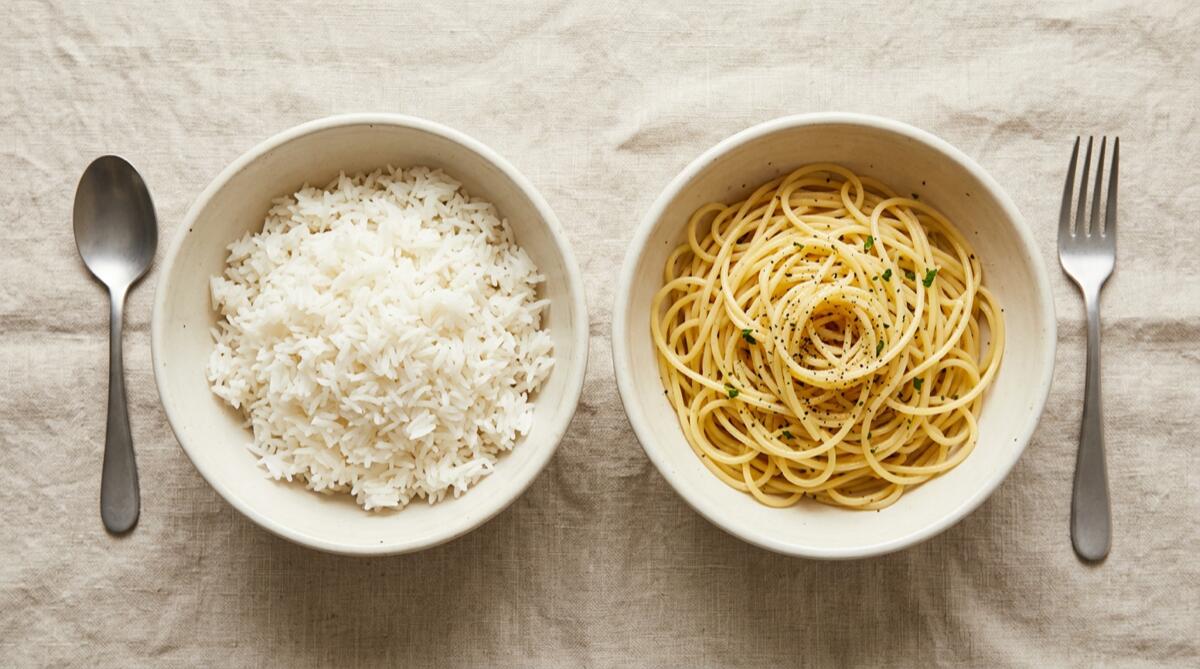
The Ultimate Carbohydrate Showdown: Rice vs Pasta
When it comes to building a balanced meal, carbohydrates are the foundation of energy. For decades, fitness enthusiasts, athletes, and anyone looking to improve their health have found themselves caught in a classic dietary dilemma: rice vs pasta. Which one should you be putting on your plate?
Whether you are prepping meals for the week, trying to shed a few pounds, or fueling up for a heavy leg day, the carbohydrate source you choose can have a significant impact on your satiety, digestion, and overall progress. But is one truly superior to the other?
In this comprehensive guide, we are going to break down the nutritional profiles, the pros and cons of each, and how they align with different fitness goals. Plus, we will show you how tracking your intake with tools like MacroLog can make managing your carbs effortless.
Nutritional Breakdown: What Is in Your Bowl?
To truly understand the rice vs pasta debate, we need to look at the numbers. While both are primarily sources of complex carbohydrates, their macronutrient breakdowns differ slightly. Let's look at a standard 100-gram serving of cooked white rice versus 100 grams of cooked regular white pasta.
- Cooked White Rice (100g): ~130 calories, 28g carbs, 2.7g protein, 0.3g fat
- Cooked White Pasta (100g): ~158 calories, 31g carbs, 5.8g protein, 0.9g fat
At first glance, pasta is slightly more calorie-dense and contains more protein than rice. However, before you declare a winner, it is crucial to understand that not all rice and pasta are created equal.
The Varieties of Rice
Rice is a staple for more than half of the world's population, and it comes in thousands of varieties. The most common ones you will encounter are:
- White Rice: The bran and germ have been removed, making it easily digestible and a quick source of energy. It is a favorite among bodybuilders for fast post-workout glycogen replenishment.
- Brown Rice: A whole grain that retains its bran and germ. It is higher in fiber, magnesium, and B vitamins, leading to a slower release of energy.
- Basmati and Jasmine: Aromatic varieties that have slightly different glycemic indexes. Basmati, in particular, has a lower glycemic index than standard white rice.
The Evolution of Pasta
Traditional pasta is made from durum wheat semolina. However, the pasta aisle has evolved dramatically in recent years:
- Refined Wheat Pasta: The classic choice. Delicious, affordable, but lower in fiber.
- Whole Wheat Pasta: Contains the entire wheat kernel, offering significantly more fiber, iron, and zinc.
- Legume-Based Pasta: Made from chickpeas, lentils, or edamame. These are nutritional powerhouses, often boasting double the protein and fiber of traditional pasta, making them an excellent choice for plant-based eaters.
Understanding these variations is essential when learning effectively, as switching from white pasta to lentil pasta can drastically alter your daily protein intake.
Rice vs Pasta for Weight Loss
If your primary goal is losing body fat, you need to be in a . This means consuming fewer calories than your body burns. In the context of weight loss, neither rice nor pasta is inherently "fattening." What matters is portion size and how these foods affect your hunger levels.
Calorie Density and Water Absorption
Rice absorbs a significant amount of water during the cooking process. Because of this, a 100-calorie portion of cooked rice will physically take up more space in your stomach than a 100-calorie portion of cooked pasta. This increased volume can trigger stretch receptors in your stomach, sending signals of fullness to your brain.
The Fiber Factor
Fiber is your best friend when dieting because it slows digestion and keeps you full. If you are choosing between refined white rice and refined white pasta, neither is a superstar in the fiber department. However, if you opt for brown rice or whole wheat pasta, you will benefit from a much higher satiety index.
For those struggling to manage their portions, using an AI-powered tool like MacroLog can be a game-changer. Instead of guessing how many calories are in your bowl of spaghetti, you can simply snap a photo of your meal, and MacroLog's advanced AI will instantly recognize the food and estimate the macros for you. It takes the stress out of .
Rice vs Pasta for Muscle Gain and Performance
For athletes, weightlifters, and anyone looking to build muscle, carbohydrates are not the enemy—they are the primary fuel source. To build muscle optimally, you need to consume enough calories and ensure your are balanced.
Pre-Workout Fuel
Before a tough workout, you want carbohydrates that will provide sustained energy without sitting heavily in your stomach. A moderate portion of pasta, especially if eaten a few hours before training, provides excellent, long-lasting energy due to its slightly lower glycemic index compared to standard white rice.
Post-Workout Recovery
After a grueling session, your muscle glycogen stores are depleted. This is where white rice shines. Because it lacks fiber and fat, white rice digests incredibly fast. Pairing a bowl of white rice with a lean protein source (like chicken breast) causes a rapid spike in insulin, which helps shuttle nutrients straight into your recovering muscles.
Pasta also has an advantage for muscle building: it naturally contains more protein. While it is not a complete protein (it lacks sufficient amounts of the amino acid lysine), it still contributes to your daily protein goals.
The Blood Sugar Impact: Glycemic Index and Resistant Starch
One of the biggest concerns people have in the rice vs pasta debate is how these foods affect blood sugar levels. The Glycemic Index (GI) measures how quickly a food raises blood glucose.
Generally, regular white rice has a higher GI than regular white pasta. Pasta has a unique protein structure (gluten) that traps starch molecules, slowing down their digestion. This means pasta usually provides a more gradual release of glucose into the bloodstream.
The Magic of Resistant Starch
Here is an incredible nutrition hack that applies to both rice and pasta: cooking, cooling, and reheating.
When you cook rice or pasta and then let it cool in the refrigerator overnight, the chemical structure of the starches changes. They convert into "resistant starch." Resistant starch acts like soluble fiber in your digestive system—it resists digestion in the small intestine and ferments in the large intestine, feeding your good gut bacteria.
Even if you reheat the food the next day, the resistant starch remains. This process lowers the overall glycemic impact of the meal and can even slightly reduce the number of absorbable calories. If you are wondering , they absolutely do, but how your body processes them can be subtly optimized with tricks like this!
Gluten and Digestion: Which Is Easier on the Gut?
A major differentiating factor between rice and pasta is gluten. Pasta is traditionally made from wheat, which contains gluten. For individuals with Celiac disease or non-celiac gluten sensitivity, traditional pasta is completely off the table.
Rice, on the other hand, is naturally gluten-free. It is known for being incredibly easy on the digestive system, which is why the "chicken and rice" meal is a staple not just for bodybuilders, but for anyone recovering from stomach upset. If you frequently experience bloating or lethargy after eating pasta, switching to rice (or a gluten-free pasta alternative) might resolve the issue.
How to Fit Both Into Your Diet
The truth is, you don't have to choose just one. Both rice and pasta can be part of a healthy, balanced diet. The key is understanding your energy requirements. If you aren't sure where to start, you can use a to figure out your Total Daily Energy Expenditure.
Here are some practical tips for incorporating both:
- Control Your Portions: It is incredibly easy to overeat both rice and pasta. Weigh your food dry before cooking for the most accurate tracking.
- Load Up on Veggies: Mix cauliflower rice into your regular rice, or zucchini noodles into your pasta. This adds massive volume and micronutrients for very few calories.
- Track Smartly: Use MacroLog to log your meals. With its barcode scanner, you can instantly log that specific brand of whole wheat penne, or use the voice logging feature by simply saying, "I ate 200 grams of cooked jasmine rice with chicken."
- Pay Attention to Sauces: Often, it is not the pasta that derails a diet; it is the heavy cream, butter, and cheese sauces. Opt for tomato-based sauces or light olive oil dressings to keep calories in check.
The Verdict: Which Is Better?
So, who wins the rice vs pasta battle? The answer depends entirely on your specific goals, dietary restrictions, and personal preferences.
- Choose Rice if: You are looking for a gluten-free option, you want the fastest digesting carb for post-workout recovery, or you prefer a grain that absorbs the flavors of stir-fries and curries perfectly.
- Choose Pasta if: You want a slightly higher protein content, you prefer a lower glycemic index for sustained energy, or you simply love Italian cuisine and find it more satisfying.
Ultimately, the "best" carbohydrate is the one you enjoy eating and can comfortably fit into your daily macro targets. Consistency is the most crucial factor in any nutrition plan.
Start Tracking Your Carbs Today
Whether you are team rice, team pasta, or team both, keeping track of your intake is the fastest way to reach your fitness goals. But tracking shouldn't feel like a second job. If you want to know , you need the right tools.
MacroLog is designed to make nutrition tracking as frictionless as possible. With cutting-edge AI photo recognition, a massive verified food database, and intuitive voice logging, you can log your pasta dinners and rice bowls in seconds.
Don't let the fear of carbs hold you back from achieving the body you want. Download MacroLog today and take the guesswork out of your nutrition!

