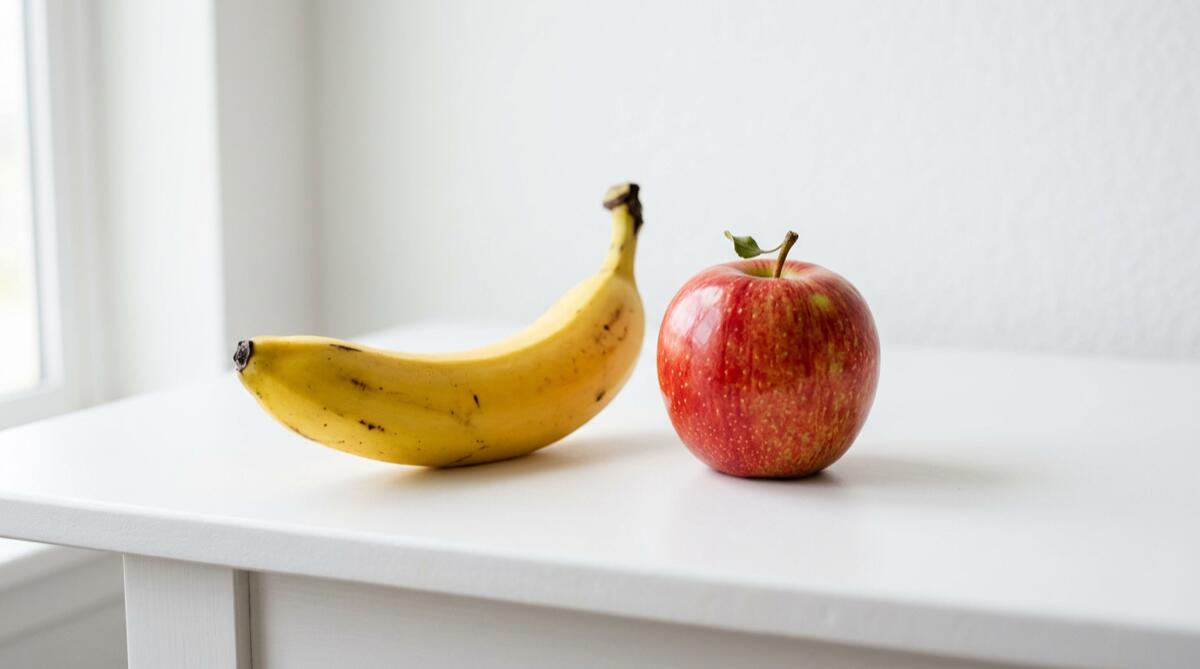
The Ultimate Fruit Showdown: Banana vs Apple Nutrition
It is a dilemma as old as the modern fruit bowl: you are rushing out the door, you need a quick snack, and you are forced to choose between a bright yellow banana and a crisp red apple. Both are universally loved, incredibly convenient, and packed with vitamins. But when it comes to hitting your fitness goals, managing your weight, or optimizing your daily energy levels, how do they actually compare?
Understanding banana vs apple nutrition is crucial for anyone serious about their diet. Whether you are prepping for an intense gym session, looking for a mid-afternoon energy boost at the office, or trying to satisfy a sweet tooth while staying within your calorie limits, knowing the macronutrient profiles of these two staple fruits will help you make the smartest choice.
In this comprehensive guide, we will break down the exact macros, explore the micronutrient benefits, debunk common fruit-related weight loss myths, and show you exactly how to incorporate both into your daily routine. If you are new to tracking your food, you might want to brush up on before we dive into the raw data.
The Raw Numbers: Macronutrient Comparison
To ensure a fair comparison, we need to look at the exact same serving size. A "medium" fruit is a notoriously inaccurate measurement—a fact you will know well if you have ever wondered Why Your Calorie Count Is Wrong (And How to Fix It). Therefore, we are comparing exactly 100 grams of raw, peeled banana to 100 grams of raw apple (with skin).
Nutrition Facts per 100g
- Calories: Banana: 89 kcal | Apple: 52 kcal
- Carbohydrates: Banana: 22.8g | Apple: 13.8g
- Dietary Fiber: Banana: 2.6g | Apple: 2.4g
- Sugars: Banana: 12.2g | Apple: 10.4g
- Protein: Banana: 1.1g | Apple: 0.3g
- Fat: Banana: 0.3g | Apple: 0.2g
Right away, the most glaring difference is the energy density. Bananas are significantly more calorie-dense and carbohydrate-heavy than apples. For every 100 grams, a banana provides about 70% more calories and almost double the total carbohydrates. However, both fruits are virtually fat-free and low in protein, meaning their primary role in your diet is providing energy through carbohydrates.
Deep Dive into Bananas: The Athlete's Best Friend
Bananas have long been the darling of the athletic community, and for good reason. They come in their own biodegradable packaging, are easy to digest, and offer a specific nutritional profile that makes them perfect for active individuals.
Carbohydrates and the Ripening Process
The carbohydrate profile of a banana changes dramatically as it ripens. A green, under-ripe banana is high in resistant starch—a type of indigestible carbohydrate that functions like fiber, feeding healthy gut bacteria and keeping blood sugar stable. As the banana develops brown spots, enzymes break down this starch into simple sugars (sucrose, fructose, and glucose). This increases the glycemic index (GI), making ripe bananas an incredibly fast, easily digestible source of energy.
Micronutrient Powerhouse
Bananas are famous for their potassium content (about 358mg per 100g), an essential electrolyte that helps regulate muscle contractions, nerve signals, and fluid balance. This makes them highly effective at preventing muscle cramps during intense exercise. Additionally, bananas are an excellent source of Vitamin B6, which plays a vital role in protein metabolism and cognitive development.
When is the Best Time to Eat a Banana?
- Pre-Workout: Eating a ripe banana 30-60 minutes before a workout provides a rapid influx of glucose, topping off your muscle glycogen stores for peak performance.
- Post-Workout: Combining a banana with a protein shake helps spike insulin just enough to shuttle nutrients rapidly into exhausted muscles.
- Breakfast: Sliced over oatmeal, bananas add natural sweetness and sustained energy to start your day.
Deep Dive into Apples: The Satiety Superstar
The old adage "an apple a day keeps the doctor away" holds a surprising amount of scientific weight. While they may not provide the rapid energy burst of a ripe banana, apples excel in promoting long-lasting satiety and overall metabolic health.
The Power of Pectin
A significant portion of the fiber in apples (particularly in the skin) comes in the form of pectin. Pectin is a soluble fiber that forms a gel-like substance in your digestive tract. This slows down digestion, delays gastric emptying, and prevents rapid spikes in blood sugar. Because apples require substantial chewing and take up physical volume in your stomach, they are incredibly effective at shutting down hunger signals.
Antioxidants and Hydration
Apples are composed of about 86% water, which contributes to their low calorie density. They are also rich in Vitamin C and powerful polyphenols, particularly quercetin. Quercetin is an antioxidant found almost exclusively in the apple's skin, known for its anti-inflammatory properties and its ability to support cardiovascular health. Always eat the skin if you want the full nutritional benefits!
When is the Best Time to Eat an Apple?
- Mid-Afternoon Slump: When you need a snack to bridge the gap between lunch and dinner, an apple provides sustained energy without the sugar crash.
- During Weight Loss: Because of their high water and fiber content, apples provide maximum physical fullness for minimal calories.
- Evening Sweet Craving: Sliced apples baked with a dash of cinnamon can satisfy a dessert craving for a fraction of the calories of traditional sweets.
Banana vs Apple: How They Fit Into Your Weight Loss Goals
If your primary goal is losing body fat, you might be looking at the calorie counts and assuming apples are the clear winner. While it is true that apples are less calorie-dense, demonizing bananas is a massive mistake. Let's look at the science of energy balance.
To lose weight, you must consume fewer calories than you burn. If you are unsure how this mechanism works, we highly recommend reading . In the context of a calorie deficit, both apples and bananas are perfectly healthy choices.
There is a persistent fitness myth that "bananas make you fat" because of their sugar content. However, weight gain is driven by a surplus of total calories, not by the natural sugars found in whole fruits. Eating a 105-calorie banana will not derail your diet any more than eating 105 calories of apples. The difference lies in volume: you get to eat a much larger physical quantity of apple for those 105 calories, which might keep you feeling full for longer.
How to Accurately Track Fruit in Your Diet
One of the biggest hurdles in diet tracking is logging whole foods accurately. If you log a "medium apple" every day, but you are actually eating massive Honeycrisp apples, you could be accidentally consuming an extra 100-200 calories daily. Over a week, that is enough to completely stall your weight loss progress.
To guarantee accuracy, you should always weigh your fruit on a digital food scale in grams. But let's be honest—logging every single gram manually can become tedious. This is exactly where modern technology changes the game.
With MacroLog, you no longer have to guess or type out endless food entries. You can simply use the app's AI-powered photo recognition to snap a picture of your banana or apple, and the app will instantly identify the fruit and estimate the portion. If you prefer, you can use the voice logging feature to simply say, "I just ate 150 grams of apple," and MacroLog will automatically calculate the calories and macros for you. It takes the stress out of tracking, allowing you to focus on enjoying your food.
If you are new to the world of tracking and want to ensure you are doing it sustainably, check out our guide on How to Count Calories: The Complete Beginner's Guide.
The Final Verdict: Which Fruit Wins?
In the battle of banana vs apple nutrition, there is no objective loser. The "winner" depends entirely on your specific lifestyle, timing, and fitness goals.
- Choose a Banana if: You need immediate, easily digestible energy before a workout; you are trying to replenish glycogen stores post-workout; you need to increase your potassium intake; or you are looking for a creamy texture to add to smoothies and oatmeal.
- Choose an Apple if: You are aggressively cutting calories and need maximum physical volume to stay full; you want a slow-digesting snack to keep blood sugar completely stable; or you are looking for a hydrating, crunchy mid-day refreshment.
Ultimately, a healthy, sustainable diet should include a wide variety of fruits to ensure you are getting a diverse spectrum of vitamins, minerals, and phytonutrients. You don't have to choose just one!
Ready to Take Control of Your Nutrition?
Whether you prefer the quick energy of a banana or the satisfying crunch of an apple, knowing exactly how your food impacts your daily goals is the key to long-term success. Stop guessing your portion sizes and start tracking smarter.
Download MacroLog today to experience the fastest, easiest way to track your macros using AI photo recognition, voice logging, and a massive verified food database. Your goals are within reach—let MacroLog help you get there.


