The End of Restrictive Dieting
For decades, the fitness industry has sold us a lie: to lose weight and be healthy, you must eat perfectly 100% of the time. This toxic mindset has led millions of people down a path of yo-yo dieting, guilt, and an unhealthy relationship with food. You force yourself to eat plain chicken breast and broccoli, eventually break down, binge on ice cream, and then punish yourself by starting the cycle all over again. But what if there was a better way? Enter the 80/20 rule of nutrition.
The 80/20 rule is a flexible, sustainable approach to eating that prioritizes both physical health and psychological well-being. It acknowledges a simple truth: food is not just fuel; it is culture, celebration, and pleasure. In this comprehensive guide, we will explore what the 80/20 rule is, the science behind why it works, and how you can seamlessly integrate it into your lifestyle using MacroLog.
What is the 80/20 Rule of Nutrition?
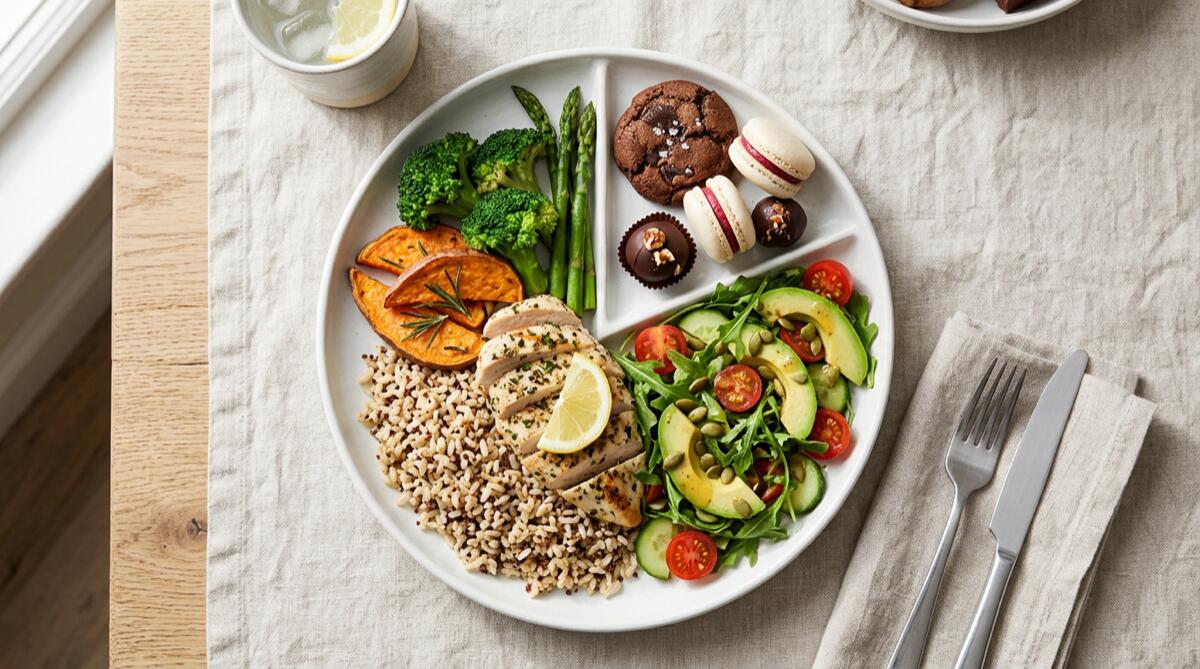
The concept is beautifully simple. Rather than categorizing foods as "good" or "bad," the 80/20 rule suggests that you should get 80% of your daily calories from whole, minimally processed, nutrient-dense foods, and save the remaining 20% for your favorite treats—often referred to as "soul foods."
The 80%: Fueling Your Body
The foundation of your diet should consist of foods that provide your body with the essential vitamins, minerals, fiber, and macronutrients it needs to function optimally. If you want to dive deeper into how these elements work together, check out our guide on What Are Macros? The Complete Guide to Macronutrients.
- Lean Proteins: Chicken breast, turkey, tofu, fish, Greek yogurt, and legumes.
- Complex Carbohydrates: Oats, sweet potatoes, brown rice, quinoa, and whole-grain bread.
- Healthy Fats: Avocados, nuts, seeds, and olive oil. (Read more: How Much Fat Should You Eat Per Day?)
- Micronutrients: A wide variety of fruits and vegetables to ensure you get adequate vitamins, minerals, and fiber.
The 20%: Feeding Your Soul
This is where the magic happens. The remaining 20% of your daily intake is reserved for whatever you crave. Want a slice of pizza? Go for it. Craving a chocolate bar after dinner? It fits. By intentionally making room for these foods, you remove the psychological taboo associated with them. You are no longer "cheating" on your diet; you are simply enjoying the 20%.
The Science of Flexible Dieting: Why 80/20 Works
Strict diets fail because they rely entirely on willpower, a finite resource. When you completely ban certain foods, you increase your psychological desire for them. This phenomenon is known as the "forbidden fruit effect."
Research into Calorie Tracking for Weight Loss: The Science-Based Approach shows that flexible dieters—those who allow themselves treats in moderation—have lower rates of binge eating, lower anxiety around food, and higher long-term success rates in maintaining weight loss compared to rigid dieters.
Furthermore, fat loss comes down to the principle of energy balance. As long as you are in a calorie deficit, you will lose weight, regardless of whether a small portion of those calories comes from a donut or an apple. To understand this fundamental law of thermodynamics, read Do Calories Really Matter? The Science of Energy Balance.
How to Apply the 80/20 Rule Using Calories
To successfully implement the 80/20 rule, you need to know your daily calorie target. This requires a basic understanding of your Total Daily Energy Expenditure (TDEE). If you are new to this concept, our article TDEE Explained: How to Use a TDEE Calculator for Weight Loss is a great starting point, alongside understanding the difference in BMR vs TDEE.
Once you know your maintenance calories, you can establish a deficit. Learn exactly how to do this in our ultimate guide: What Is a Calorie Deficit and How Does It Work?
The Math Behind the Magic
Let's say your daily calorie goal for weight loss is 2,000 calories. Applying the 80/20 rule:
- 80% of 2,000 = 1,600 calories. These should come from nutrient-dense, whole foods.
- 20% of 2,000 = 400 calories. These can be spent on whatever treats you desire.
Four hundred calories is a substantial amount! It's enough for a standard candy bar, a couple of cookies, or a glass of wine and some chocolate. By tracking these calories, you ensure you stay within your goals without feeling deprived.
Tracking the 80/20 Way with MacroLog
While the 80/20 rule is conceptually simple, executing it requires awareness. This is where MacroLog becomes your ultimate tool. If you've ever wondered How to Count Calories: The Complete Beginner's Guide, MacroLog makes it effortless.
Instead of manually searching for foods, MacroLog utilizes advanced AI to log your meals. You can simply take a photo of your plate, use voice logging to describe what you ate, or scan a barcode. This makes tracking your 80% whole foods and your 20% fun foods incredibly fast and accurate.
For those worried about becoming too focused on the numbers, we highly recommend reading How to Track Calories Without Becoming Obsessive. MacroLog is designed to be a tool for awareness, not a source of stress.
A Sample 80/20 Day of Eating
To give you a practical idea, here is what a 2,000-calorie 80/20 day might look like:
- Breakfast (400 kcal - The 80%): Oatmeal made with almond milk, a scoop of whey protein, chia seeds, and fresh berries.
- Lunch (500 kcal - The 80%): A large grilled chicken salad with mixed greens, cherry tomatoes, cucumbers, quinoa, and a light olive oil vinaigrette.
- Snack (200 kcal - The 80%): Greek yogurt with a handful of almonds.
- Dinner (500 kcal - The 80%): Baked salmon, roasted asparagus, and a side of sweet potato wedges.
- Dessert (400 kcal - The 20%): Two scoops of your favorite premium ice cream.
As you can see, you are eating highly nutritious meals all day, hitting your protein goals, and still enjoying a generous dessert—all while staying perfectly on track for weight loss.
Common Pitfalls and How to Avoid Them
While the 80/20 rule is fantastic, there are a few traps you need to avoid to ensure success.
1. Underestimating the 20%
It is very easy to let that 20% creep up to 40% or 50% if you aren't paying attention. A handful of chips here and a bite of a cookie there add up quickly. This is why tracking, at least initially, is crucial. If you find your progress stalling, read Why Your Calorie Count Is Wrong (And How to Fix It).
2. Neglecting Macronutrients
While the 80/20 rule focuses on food quality, your macronutrient split still matters for body composition. Ensure your 80% includes enough protein to preserve muscle mass. If you need help structuring this, check out How to Count Macros: A Step-by-Step Guide.
3. The "All or Nothing" Weekend
Many people eat 100% clean from Monday to Friday, and then go completely off the rails on the weekend, consuming thousands of excess calories. The 80/20 rule is meant to be applied daily or weekly in a balanced way. Bingeing on the weekend can easily undo a week's worth of a calorie deficit.
Is the 80/20 Rule Right for You?
If you are struggling to decide between strict tracking and a more relaxed approach, you might find value in our comparison: Calorie Counting vs Intuitive Eating: Which Is Right for You? The 80/20 rule beautifully bridges the gap between the two, offering structure without suffocation.
As for how long you should maintain this approach, the beauty of 80/20 is that it is a lifelong strategy. However, if you are curious about specific tracking timelines, read How Long Should You Track Calories? The Complete Timeline.
Conclusion
The 80/20 rule of nutrition is the ultimate antidote to toxic diet culture. By fueling your body with nutrient-dense foods 80% of the time and allowing yourself to enjoy life's culinary pleasures the other 20%, you create a sustainable, enjoyable path to your health and fitness goals. You no longer have to choose between reaching your goal weight and eating the foods you love.
Ready to master your nutrition without giving up your favorite treats? Take the guesswork out of the 80/20 rule. Download MacroLog today and let our AI-powered photo and voice tracking help you find your perfect balance effortlessly!


