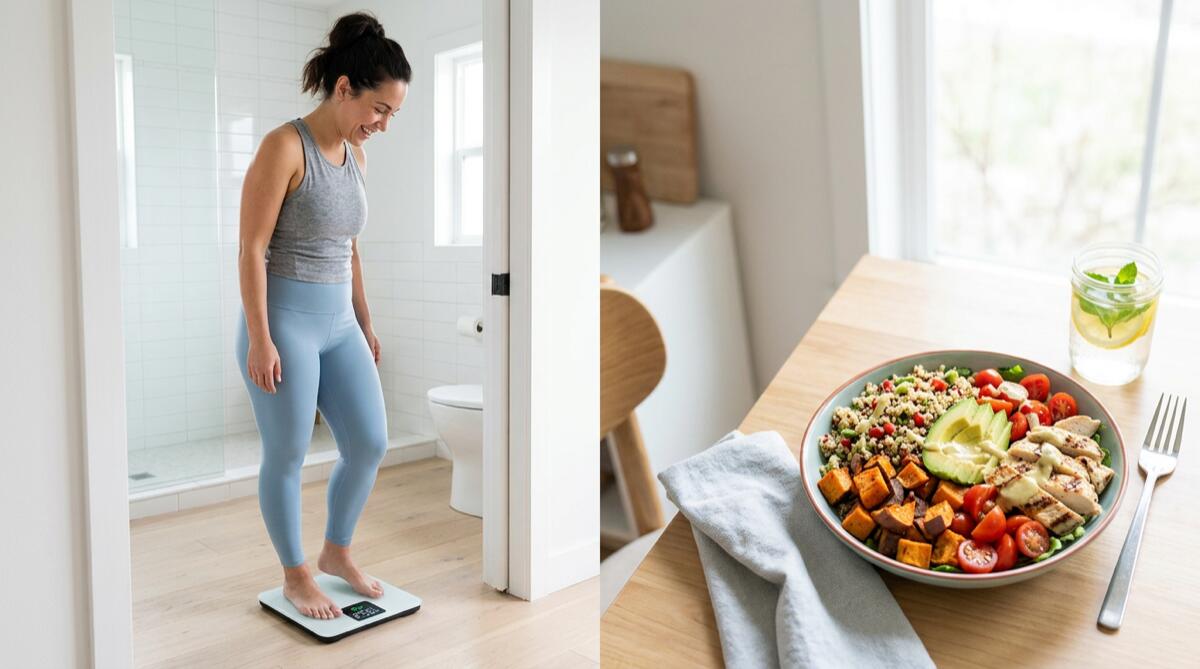
The Frustration of the Final Stretch
You have put in the hard work. You have changed your eating habits, stayed consistent with your workouts, and watched the numbers on the scale steadily drop. But now, you have hit a wall. No matter what you do, you just cannot seem to lose the last 5 kg. Sound familiar?
Hitting a weight loss plateau near the finish line is incredibly common, and it is arguably the most frustrating part of any fitness journey. The strategies that helped you lose the first 10 or 20 kilograms suddenly stop working. Why does this happen, and more importantly, how can you push past it? In this comprehensive guide, we will explore the science behind why the final stretch is so difficult and provide actionable, science-backed strategies to help you finally achieve your goal.
Why Is It So Hard to Lose the Last 5 kg?
Before diving into the solutions, it is crucial to understand the biological mechanisms working against you. Your body is an evolutionary marvel designed for survival, not for looking lean on the beach. When you lose a significant amount of weight, your body perceives this as a potential threat to survival and triggers a series of defense mechanisms.
1. Metabolic Adaptation (Adaptive Thermogenesis)
As you lose weight, your metabolism naturally slows down. A smaller body requires less energy to maintain itself than a larger one. Furthermore, prolonged periods in a calorie deficit trigger adaptive thermogenesis—a process where your body becomes highly efficient with energy, burning fewer calories than expected for your new weight. If you haven't adjusted your intake recently, you might no longer be in a deficit. To understand the fundamental math behind this, check out our guide on .
2. A Reduction in NEAT
Non-Exercise Activity Thermogenesis (NEAT) accounts for the calories you burn doing subconscious daily movements—fidgeting, pacing, blinking, and maintaining posture. When you are deep into a diet, your brain subconsciously reduces your NEAT to conserve energy. You might find yourself taking the elevator instead of the stairs or sitting down more often without even realizing it.
3. The Margin of Error Shrinks
When you had 20 kilograms to lose, a slight miscalculation in your calorie tracking might not have mattered much because your deficit was large. However, when you are trying to lose the last 5 kg, your required deficit is much smaller. A few unlogged bites, licks, and tastes can easily wipe out your entire daily deficit. This is where understanding becomes absolutely critical.
5 Science-Backed Strategies to Break the Plateau
Now that we know what we are up against, let us look at the practical steps you can take to reignite your progress and shed that stubborn body fat.
1. Recalculate Your Calorie Needs
The most common reason people fail to lose the last 5 kg is that they are still eating the number of calories that helped them lose the initial weight. You must recalculate your Total Daily Energy Expenditure (TDEE) based on your current body weight. A highly accurate way to do this is by using the Mifflin-St Jeor formula. You can learn exactly how to apply this in our article: The Mifflin-St Jeor Equation Explained Simply.
Once you have your new TDEE, create a moderate deficit of 300-500 calories. Do not slash your calories too drastically, as this will only accelerate muscle loss and diet fatigue. If you are unsure where to start, read our ultimate guide on .
2. Track with Unprecedented Precision
If your weight has stalled, there is a high probability that you are consuming more calories than you think. Hidden calories in cooking oils, sauces, and weekend "cheat meals" add up fast. In fact, many people underestimate their intake by up to 30%. If you want to know the common pitfalls, read Why Your Calorie Count Is Wrong (And How to Fix It).
To lose the last 5 kg, you need absolute precision, but that doesn't mean tracking has to be a chore. This is where MacroLog changes the game. As an AI-powered calorie tracker, MacroLog allows you to log meals instantly using voice recognition—just say what you ate, and the AI calculates the exact macros. You can also snap a photo of your meal or scan a barcode for ultimate accuracy. It completely removes the friction from precision tracking, ensuring you stay in your deficit without the headache.
3. Prioritize Protein and Optimize Macros
While total calories dictate weight loss, macronutrients dictate body composition—how much of that weight lost is fat versus muscle. Protein is the most satiating macronutrient and has the highest Thermic Effect of Food (TEF), meaning your body burns more calories simply digesting protein compared to fats or carbs.
- Aim for 1.6 to 2.2 grams of protein per kilogram of body weight. This will protect your hard-earned muscle mass while keeping hunger at bay.
- Don't drop your fats too low. Dietary fat is essential for hormone regulation. Learn more in our guide: How Much Fat Should You Eat Per Day?
- Use carbs strategically around your workouts to maintain training intensity.
If you have never tracked macronutrients before, check out our step-by-step guide on how to count macros to get started on the right foot.
4. Implement a Diet Break or Refeed
If you have been in a calorie deficit for months, your body and mind are likely exhausted. Pushing harder is not always the answer. Sometimes, the best way to move forward is to take a step back.
Consider taking a 1-to-2 week diet break. This involves raising your calories back to your maintenance level (your newly calculated TDEE). A diet break helps reverse some of the metabolic adaptations, replenishes muscle glycogen, reduces stress hormones (like cortisol) which can cause water retention, and gives you a much-needed psychological rest. Curious about the timeline of dieting? Read How Long Should You Track Calories? The Complete Timeline.
5. Consciously Increase Your NEAT
Since your body is subconsciously trying to make you move less, you must consciously force yourself to move more. You don't necessarily need to add another grueling hour of cardio to your routine. Instead, focus on increasing your daily step count.
- Park further away from the store entrance.
- Take a 15-minute walk after every meal.
- Use a standing desk for part of your workday.
- Take the stairs instead of the elevator.
Adding just 3,000 to 5,000 extra steps a day can increase your daily calorie burn by 150-250 calories, which is often exactly what is needed to tip the scales and help you lose the last 5 kg.
Common Pitfalls to Avoid
When desperation sets in, many people make rash decisions that sabotage their progress. Avoid these common mistakes:
- Extreme Calorie Restriction: Dropping your calories to 1,200 or below will only result in muscle loss, extreme hunger, and an inevitable binge. Stick to a sustainable, science-based approach.
- Changing Everything at Once: If you hit a plateau, don't simultaneously drop your calories, double your cardio, and cut out all carbs. Change one variable at a time so you know what is actually working.
- Ignoring Stress and Sleep: High cortisol levels from chronic stress and poor sleep can cause severe water retention, masking your fat loss on the scale. Prioritize 7-9 hours of quality sleep per night.
The Bottom Line
Trying to lose the last 5 kg is a test of patience, precision, and consistency. Your margin for error is razor-thin, and your body is fighting to hold onto its remaining energy reserves. However, by recalculating your TDEE, tracking your intake with absolute accuracy, managing your macros, and keeping your daily activity high, you can absolutely push past the plateau.
Remember, you don't have to do it the hard way. Let technology do the heavy lifting for you. With features like AI photo recognition, voice logging, and a massive barcode database, MacroLog takes the guesswork out of the final stretch. Download the app today, lock in your new numbers, and finally achieve the physique you have been working so hard for!

