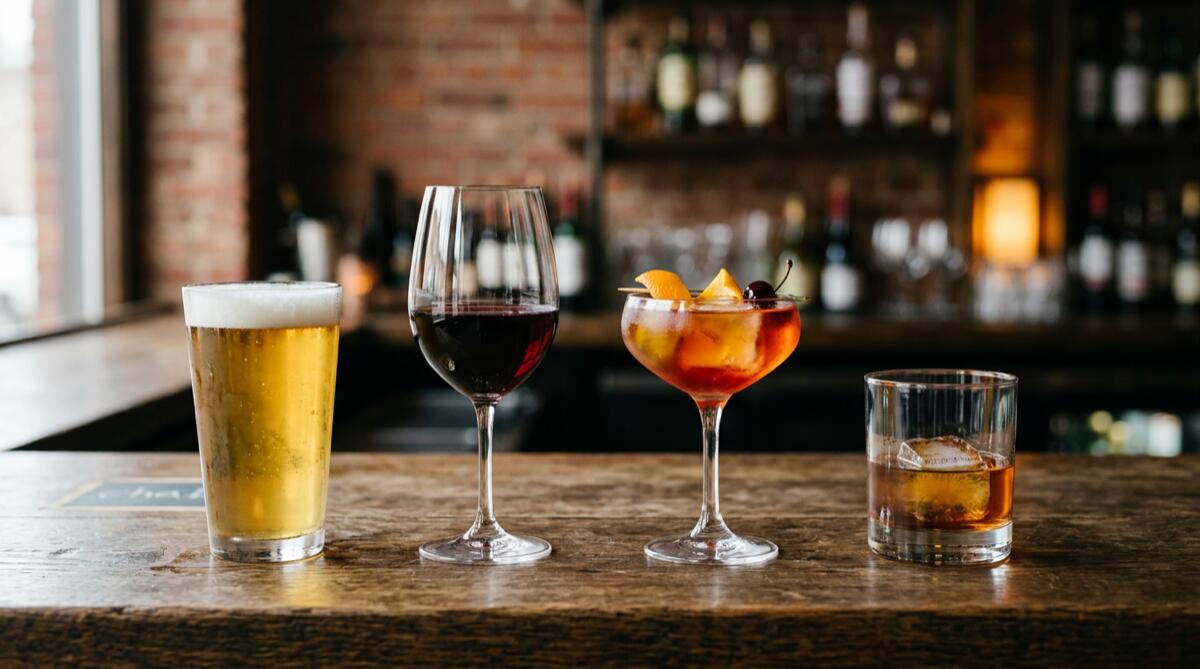
The Hidden Cost of Happy Hour
Picture this: You've been perfectly dialed into your nutrition all week. You hit your protein goals, stayed within your energy limits, and even skipped the office donuts. But then Friday night arrives, you go out for drinks with friends, and suddenly your weekend weigh-in leaves you frustrated. Sound familiar? The culprit is often the hidden calories in alcohol.
When we think about tracking our intake, we usually focus on food. However, liquid calories—especially from alcohol—can sabotage your progress faster than a double cheeseburger. If you've ever wondered exactly how many calories are in your favorite pint, glass of cabernet, or weekend cocktail, you're in the right place. Let's dive deep into the science of alcohol calories and how you can enjoy a drink while staying on track with your goals.
The "Fourth" Macronutrient: Why Alcohol Calories Add Up Fast
To understand calories in alcohol, we need to look at macronutrients. As discussed in our guide on What Are Macros?, proteins and carbohydrates contain 4 calories per gram, while dietary fats contain 9 calories per gram. Alcohol, however, sits right in the middle as the "fourth" macronutrient, packing 7 calories per gram.
But here's the catch: unlike protein, carbs, or fats, alcohol provides zero nutritional value. These are truly "empty calories" because they don't provide your body with essential vitamins, minerals, or energy it can use for muscle repair or brain function. Furthermore, your body views alcohol as a toxin. When you drink, your liver prioritizes metabolizing the alcohol over burning fat or carbohydrates, which can halt your weight loss progress. If you want to understand how this impacts your overall energy balance, check out our article on Do Calories Really Matter? The Science of Energy Balance.
Calories in Beer: From Light Lagers to Heavy IPAs
Beer is one of the most popular alcoholic beverages worldwide, but its calorie content varies wildly depending on the style, alcohol by volume (ABV), and carbohydrate content.
Light Beers and Lagers
If you're tracking calories, light beers are usually your safest bet. They are brewed to have fewer carbohydrates and a slightly lower ABV (usually around 4.2%).
- Standard Light Beer (12 oz / 355 ml): 90-105 calories, 2-5g carbs
- Standard Regular Beer / Lager (12 oz / 355 ml): 140-160 calories, 10-15g carbs
Craft Beers, IPAs, and Stouts
The craft beer revolution brought us incredible flavors, but it also brought massive calorie bombs. Double IPAs, Imperial Stouts, and heavily fruited sours have high ABV and high residual sugars.
- Standard IPA (12 oz / 355 ml, 6-7% ABV): 180-220 calories
- Double/Imperial IPA (12 oz / 355 ml, 8-10% ABV): 250-320+ calories
- Imperial Stout (12 oz / 355 ml): 300-400+ calories
Pro Tip: If you are having a pint at a craft brewery (16 oz), you need to multiply those 12 oz numbers by 1.33. A single pint of a Double IPA can easily equate to a small meal!
Calories in Wine: Red, White, and Sparkling
Wine is often considered a more "diet-friendly" option, and for the most part, it is. A standard pour of wine is 5 ounces (about 150 ml). The calorie content depends largely on the sweetness (residual sugar) and the alcohol content.
Red and White Wine
Dry wines (both red and white) have very little residual sugar, meaning almost all of their calories come from the alcohol itself.
- Dry White Wine (Sauvignon Blanc, Pinot Grigio): 115-125 calories per 5 oz
- Dry Red Wine (Cabernet Sauvignon, Pinot Noir): 120-130 calories per 5 oz
- Sweet Wine (Moscato, Port, Riesling): 160-200+ calories per 5 oz
Champagne and Sparkling Wine
A standard glass of Champagne or Prosecco is often served in a 4 oz flute. Because of the smaller serving size and typically lower ABV, a glass of dry sparkling wine (look for "Brut" on the label) is usually around 80-90 calories, making it an excellent choice for celebrations.
Calories in Spirits and Cocktails: The Danger Zone
When it comes to hard liquor, the math is relatively straightforward. Pure spirits contain zero carbohydrates, zero fat, and zero protein. All the calories come directly from the ethanol.
- Vodka, Tequila, Gin, Rum, Whiskey (1.5 oz / 44 ml, 80 proof / 40% ABV): ~97-105 calories
The Mixer Trap
Spirits aren't the problem—mixers are. Ordering a vodka soda (vodka + soda water) keeps you at 100 calories. Ordering a vodka cranberry adds 15-20 grams of sugar, doubling the calories. Cocktails are where diets go to die.
- Margarita (Restaurant style): 300-500 calories (due to agave and sugary sweet & sour mix)
- Pina Colada: 400-600 calories (coconut cream and pineapple juice)
- Long Island Iced Tea: 400-500+ calories
- Old Fashioned: 150-180 calories (a better choice, using just a sugar cube and bitters)
How Alcohol Impacts Weight Loss and Metabolism
Beyond the raw caloric value, alcohol impacts your body's ability to maintain a calorie deficit in several sneaky ways.
First, as mentioned earlier, it pauses fat burning. Your body cannot store alcohol, so it must process it immediately. While your liver is busy clearing the ethanol, the digestion and processing of the food you ate are put on the back burner, making it more likely that those food calories will be stored as fat.
Second, alcohol lowers inhibitions and stimulates appetite. You might have perfectly calculated your Mifflin-St Jeor Equation for the day, but after three drinks, that late-night pizza suddenly seems like a fantastic idea. This phenomenon is known as the "drunchies," and it's responsible for thousands of unplanned calories.
5 Smart Strategies for Drinking on a Diet
You don't have to become a monk to achieve your fitness goals. You can still enjoy alcohol if you use smart strategies:
- Plan Ahead: If you know you're going out on Saturday night, create a buffer. Eat slightly leaner protein and fewer carbs/fats earlier in the day to "save" 300-500 calories for your evening drinks. Learn more about planning in our guide on How Many Calories Should I Eat Per Day?.
- Choose Low-Calorie Mixers: Swap tonic water (which is full of sugar) for soda water. Use diet sodas, fresh lime juice, or sugar-free syrups.
- Hydrate Intelligently: Drink one full glass of water between every alcoholic beverage. This slows your drinking pace and keeps you hydrated.
- Set a Limit: Decide how many drinks you will have before you go out, and stick to it.
- Track It: Logging your drinks keeps you accountable and prevents "calorie amnesia."
How to Track Alcohol with MacroLog
Tracking liquid calories can be tedious, especially when you're out socializing. Nobody wants to spend 10 minutes typing in search queries while their friends are giving a toast. This is where MacroLog changes the game.
With MacroLog's AI-powered tracking, logging your drinks is effortless. Drinking a craft beer? Just use the barcode scanner on the can to instantly pull up the exact macros and calories. Ordered a cocktail at the bar? Use the voice logging feature and simply say, "I just drank a vodka soda with lime," and MacroLog's AI will calculate and log the calories for you instantly. If you want to learn more about maintaining a healthy relationship with logging, read our article on How to Track Calories Without Becoming Obsessive.
Alcohol doesn't have to be the enemy of your fitness journey. By understanding the calories in your favorite drinks, making smart swaps, and keeping yourself accountable, you can enjoy your social life and your health simultaneously.
Ready to take control of your nutrition without giving up your weekend drinks? Download MacroLog today and experience the easiest way to track your food and drinks with the power of AI.


