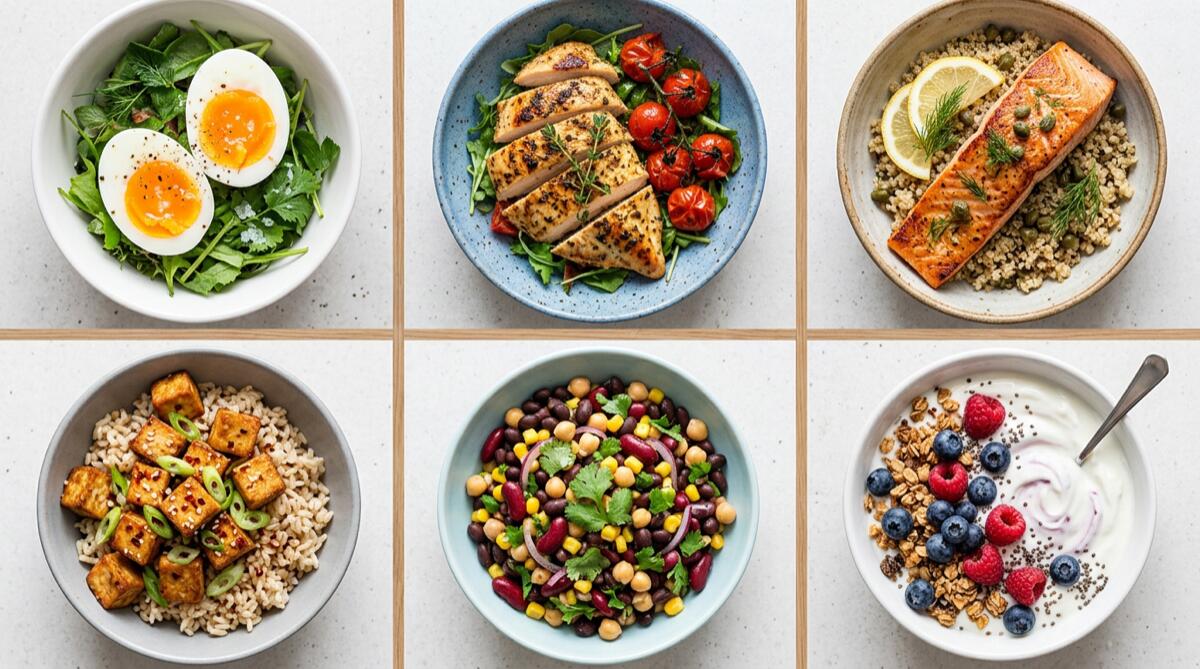
When you are trying to build muscle, lose body fat, or simply maintain a healthy lifestyle, protein is your best friend. But not all protein sources are created equal. If you are tracking your macros, you quickly realize that the efficiency of a protein source matters just as much as the total amount of protein it contains. This is where the concept of protein per calorie becomes a game-changer.
Finding the right high protein foods can feel overwhelming, but understanding how to evaluate them will transform your diet. In this comprehensive guide, we will rank the 50 best high-protein foods based on their protein-to-calorie ratio. Whether you are cutting, bulking, or just trying to hit your daily targets, this list will help you make smarter choices. And if you want to make tracking these foods effortless, an AI-powered calorie tracker like MacroLog can do the heavy lifting for you.
Why Protein per Calorie Matters
Before diving into the ranking, it is crucial to understand why we are looking at protein per calorie rather than just total protein per serving. If you want a deep dive into macronutrients in general, check out our guide on What Are Macros? The Complete Guide to Macronutrients.
Every gram of protein contains 4 calories. If a food were 100% pure protein, 100% of its calories would come from protein. However, most foods contain a mix of protein, fats (9 calories per gram), and carbohydrates (4 calories per gram).
If you are in a calorie deficit to lose weight, you have a limited "calorie budget." You need foods that give you the maximum amount of protein for the fewest number of calories. For example, peanut butter is often touted as a "high protein food," but it is actually much higher in fat. To get 20 grams of protein from peanut butter, you have to consume nearly 500 calories! Conversely, you can get 20 grams of protein from chicken breast for just over 90 calories.
The 50 Best High Protein Foods Ranked
We have divided these 50 foods into four distinct tiers based on their protein density. The percentages represent roughly how many of the food's total calories come directly from protein.
Tier 1: The Pure Protein Powerhouses (75% - 95% Protein)
These are the absolute best foods for hitting your protein goals without eating into your daily calorie limit. They are essential for aggressive cutting phases or when you need to make up for a low-protein day.
- Whey Protein Isolate: ~90-95% protein. The king of convenience. 25g protein for ~110 calories.
- Chicken Breast (Skinless): ~80-85% protein. A staple for a reason. 31g protein per 100g (165 calories).
- Turkey Breast: ~85% protein. Very similar to chicken but slightly leaner depending on the cut.
- Egg Whites: ~90% protein. Pure albumin. 11g protein per 100g (52 calories).
- Shrimp: ~85% protein. Often overlooked, but incredibly lean. 24g protein per 100g (99 calories).
- Tuna (Canned in Water): ~85% protein. Budget-friendly and highly efficient.
- Cod: ~85% protein. A very lean white fish perfect for volume eating.
- Tilapia: ~80% protein. Mild flavor and very macro-friendly.
- Non-Fat Greek Yogurt: ~75% protein. A versatile dairy option. 10g protein per 100g (59 calories).
- Seitan: ~75% protein. The ultimate vegan protein powerhouse made from vital wheat gluten.
- Bison (Lean): ~75% protein. A leaner alternative to beef with a rich flavor.
- Venison: ~80% protein. Wild game is naturally very lean.
- Scallops: ~80% protein. A delicious, low-calorie seafood option.
- Mahi-Mahi: ~75% protein. Excellent firm fish with great macros.
- Halibut: ~75% protein. Another fantastic white fish for lean bulking or cutting.
Tier 2: Excellent Lean Sources (50% - 74% Protein)
These foods are incredibly healthy and provide a great amount of protein, though they contain slightly more fats or carbs than Tier 1. They are perfect for everyday meals. If you are learning how to count macros, these will be your daily go-to items.
- Pork Tenderloin: ~70% protein. Often called the "chicken breast of pork."
- Lean Ground Beef (95/5): ~65% protein. High in iron and B-vitamins.
- Cottage Cheese (Low Fat): ~65% protein. High in casein protein, which digests slowly.
- Tofu (Extra Firm): ~50% protein. A fantastic plant-based staple.
- Edamame: ~50% protein. Young soybeans packed with fiber and protein.
- Canned Salmon (in Water): ~60% protein. Rich in Omega-3s.
- Tempeh: ~50% protein. Fermented soy that is great for gut health.
- Lentils: ~30-40% protein (when cooked). A great carb/protein hybrid.
- Black Beans: ~30% protein. Excellent source of fiber and plant protein.
- Chickpeas: ~25-30% protein. Versatile for salads and hummus.
- Nutritional Yeast: ~50% protein. A vegan favorite with a cheesy flavor.
- Skim Milk: ~40% protein. A classic, easy-to-consume liquid protein.
- Soy Milk (Unsweetened): ~45% protein. The highest protein plant milk.
- Protein Pasta (Chickpea/Lentil): ~35-40% protein. A great swap for traditional wheat pasta.
- Green Peas: ~30% protein. Surprisingly high in protein for a vegetable.
Tier 3: Balanced Protein Sources (25% - 49% Protein)
These foods are highly nutritious but come with a significant amount of accompanying fats or carbohydrates. They are great for a balanced diet, but you need to watch portion sizes if you are strictly tracking calories. For more on balancing fats, read our guide: How Much Fat Should You Eat Per Day?
- Whole Eggs: ~35% protein. Packed with healthy fats and micronutrients.
- Chicken Thighs: ~40% protein. Juicier than breast meat, but higher in fat.
- Greek Yogurt (2% or Whole): ~35-45% protein. Creamier and more satiating.
- Lean Pork Chops: ~45% protein. A solid dinner option.
- Mozzarella Cheese (Part-Skim): ~40% protein. Great for melting and snacking.
- Quinoa: ~15-20% protein. A complete plant protein, though primarily a carbohydrate source.
- Hemp Seeds: ~25% protein. High in Omega-3s and Omega-6s.
- Pumpkin Seeds: ~20% protein. Great for a crunchy salad topping.
- Peanut Butter Powder: ~45% protein. All the peanut flavor with a fraction of the fat.
- Oats: ~15% protein. A breakfast staple that contributes to your daily protein.
- Buckwheat: ~15% protein. A gluten-free seed that acts like a grain.
- Wild Rice: ~16% protein. Slightly higher in protein than brown or white rice.
- Ezekiel Bread: ~20% protein. Sprouted grain bread with superior macros.
- Swiss Cheese: ~30% protein. A higher-protein cheese option.
- Kefir: ~30% protein. A fermented milk drink excellent for digestion.
Tier 4: High-Calorie, Moderate Protein (Good for Bulking) (<25% Protein)
These are often marketed as "high protein foods," but the reality is they are primarily fat or carbohydrate sources. They are still healthy, but if you are using them solely for protein, you will overshoot your calorie limits quickly. They are excellent for those looking to gain weight.
- Almonds: ~13% protein. Mostly healthy fats.
- Peanuts / Peanut Butter: ~15% protein. Calorie dense and delicious.
- Chia Seeds: ~10% protein. Incredible for fiber, but not a primary protein source.
- Walnuts: ~8% protein. Brain-boosting fats.
- Regular Ground Beef (80/20): ~30% protein. Very high in saturated fat compared to lean cuts.
How to Incorporate High Protein Foods into Your Diet
Knowing the list is only half the battle; applying it is where the magic happens. Scientific studies consistently show that a high-protein diet increases satiety (the feeling of fullness) and has a higher Thermic Effect of Food (TEF), meaning your body burns more calories digesting protein than it does digesting fats or carbs. For a deeper understanding of how this impacts weight loss, check out Calorie Tracking for Weight Loss: The Science-Based Approach. Satiety works against you if a GLP-1 medication has already killed your appetite, in which case you want the opposite selection criteria — see our GLP-1 food list organised by the symptom each food solves.
Here are a few actionable tips:
- Base your meals around Tier 1 and Tier 2 foods: Start building your plate with chicken, tofu, or fish, and then add your carbs and fats.
- Use Tier 3 and 4 foods as accents: Sprinkle almonds on your oatmeal or add a slice of cheese to your eggs.
- Prep ahead: Cook a large batch of lean proteins like turkey breast or lentils at the beginning of the week.
Tracking Your Protein with MacroLog
Memorizing the protein-to-calorie ratio of 50 different foods is impossible for most people. That is why using a smart tracking app is essential. With MacroLog, you don't have to guess. Our AI-powered app allows you to log your meals simply by taking a photo or speaking into your phone.
Eating a complex meal? Just tell MacroLog, "I had 150 grams of grilled chicken breast with a cup of quinoa and a tablespoon of pumpkin seeds," and the app will instantly calculate your macros, showing you exactly how much protein you hit. You can also use the lightning-fast barcode scanner to log packaged foods like Greek yogurt or protein powder in seconds.
Conclusion
Prioritizing high protein foods with a strong protein-to-calorie ratio is one of the most effective strategies for achieving your fitness goals. By focusing on lean meats, low-fat dairy, and smart plant-based options, you can easily hit your macro targets without blowing past your calorie limits.
Ready to take the guesswork out of your nutrition? Start tracking your protein effortlessly today. Download MacroLog now and let AI simplify your diet!
