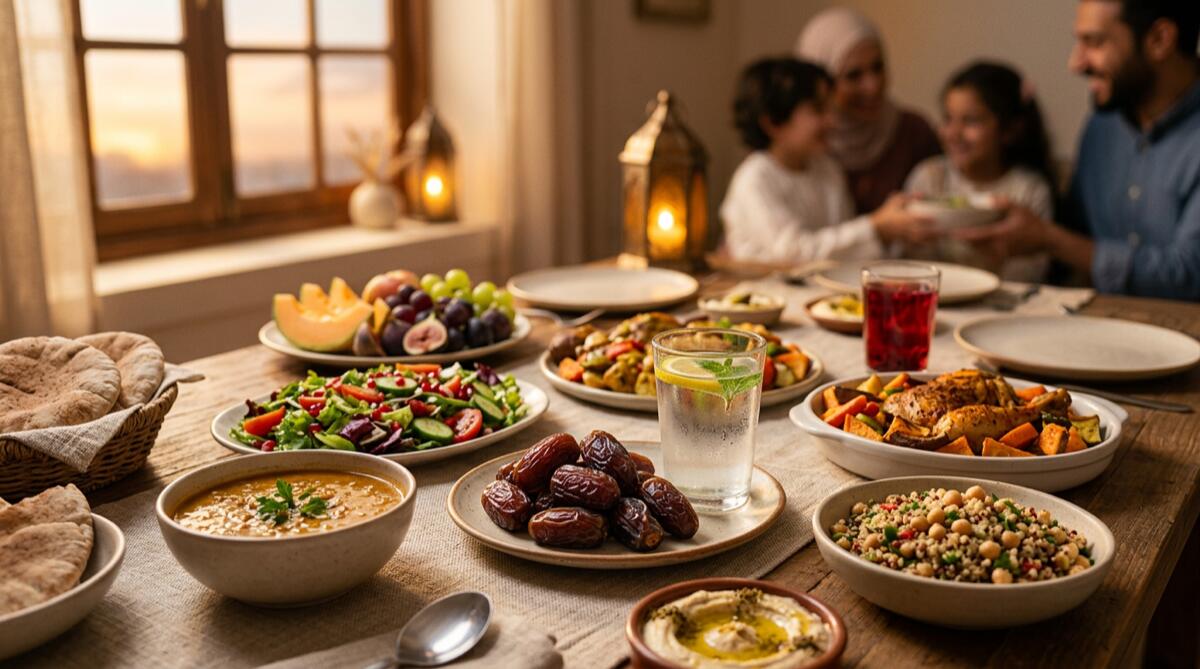
For centuries, religious fasting has been a profound spiritual practice observed by billions of people around the world. Whether it is Ramadan for Muslims, Lent for Christians, Yom Kippur for Jews, or Ekadashi for Hindus, fasting serves as a time for reflection, purification, and spiritual growth. However, altering your eating patterns so drastically can take a toll on your physical health if not managed correctly. Understanding nutrition religious fasting is the key to honoring your faith without compromising your well-being.
Many people assume that fasting simply means "not eating," but from a physiological and nutritional standpoint, it is much more complex. When you restrict your food or water intake for extended periods, your body undergoes significant metabolic shifts. Without a strategic approach to what you eat during your feeding windows, you risk muscle loss, extreme fatigue, nutrient deficiencies, and unintentional weight gain from overcompensating later.
The Physiology of Fasting: What Happens to Your Body?
Before we dive into specific dietary strategies, it is crucial to understand what happens inside your body when you fast. Depending on the type of fast, your body will eventually deplete its glycogen stores (stored carbohydrates) and begin breaking down fat—and sometimes muscle—for energy. This is the underlying mechanism of a calorie deficit.
However, religious fasts are fundamentally different from diet-trend fasts (like intermittent fasting for weight loss). Religious fasts often involve dry fasting (no water), are tied to specific lunar or solar schedules, and may last for a full month. Because the primary goal is spiritual rather than aesthetic, nutrition must focus on sustenance, energy preservation, and recovery rather than simply burning fat.
Common Types of Religious Fasts and Their Nutritional Challenges
Ramadan (Islam)
During Ramadan, Muslims abstain from all food and drink from dawn (Suhoor) to sunset (Iftar) for 29 to 30 days. The primary challenge here is hydration and maintaining steady blood sugar levels throughout the day. Because the eating window is restricted to the night, many struggle with overeating at Iftar, leading to sluggishness and poor sleep.
Lent (Christianity)
The Lenten fast often involves abstaining from specific foods (like meat on Fridays) and reducing overall food intake (e.g., Ash Wednesday and Good Friday). While not as restrictive in terms of timing as Ramadan, the challenge lies in replacing the protein typically derived from meat with plant-based or pescatarian alternatives without relying entirely on heavy, carb-laden comfort foods.
Yom Kippur (Judaism)
Yom Kippur is a strict 25-hour dry fast. The nutritional focus here is almost entirely on the pre-fast and post-fast meals. Eating the wrong foods before the fast can lead to severe thirst and blood sugar crashes during the day of atonement.
Essential Nutrition Strategies for Religious Fasting
To master nutrition religious fasting, you need to focus on the quality of the food you consume during your eating windows. Here are the most effective, science-backed strategies to keep you healthy and energized.
1. Prioritize Protein and Complex Carbohydrates
When your eating window opens, it is tempting to reach for simple sugars for quick energy. However, this will cause a rapid insulin spike followed by a crash. Instead, focus on complex carbohydrates (like oats, quinoa, sweet potatoes, and whole grains) that digest slowly and provide sustained energy. Pair these with high-quality protein to preserve muscle mass and keep you feeling full.
If you aren't sure how to balance these, reading up on macronutrients is a great starting point. Ensuring you get enough protein is vital, especially if your fast spans several weeks.
2. Manage Your Hydration Wisely
If your fast restricts water (such as Ramadan or Yom Kippur), hydration during the allowed hours is your number one priority. Do not chug liters of water all at once; your kidneys will simply flush it out. Instead, sip water steadily throughout the non-fasting hours. Incorporate hydrating foods into your meals, such as cucumbers, watermelon, zucchini, and clear broths. Avoid highly salty foods, processed meats, and excessive caffeine, as these act as diuretics and will accelerate dehydration.
3. Don't Ignore Your Energy Balance
Even during a religious fast, the laws of thermodynamics apply. If you eat more calories during your feeding window than your body burns in a day, you will gain weight. Conversely, if you eat too little, you will lose weight and potentially jeopardize your metabolic health. Understanding your Total Daily Energy Expenditure (TDEE) is incredibly helpful. It gives you a baseline of what your body actually needs to function. You can use the Mifflin-St Jeor equation to calculate your baseline needs and adjust your feeding window meals accordingly.
4. Embrace Healthy Fats for Satiety
Fats are the most calorie-dense macronutrient, providing 9 calories per gram compared to the 4 calories per gram in carbs and protein. Including healthy fats—like avocados, olive oil, nuts, and seeds—in your pre-fast meal is an excellent way to keep hunger pangs at bay. If you are unsure about the right amount, check out our guide on how much fat you should eat per day.
How to Break Your Fast Without the Crash
Breaking a fast requires gentleness. Your digestive system has been resting, and hitting it with a massive, heavy meal can cause gastrointestinal distress, bloating, and lethargy. Follow a two-step approach:
- Step 1: The Gentle Awakening. Break the fast with something small and easily digestible. Traditionally, dates and a glass of water or milk are used in Ramadan. Dates provide a quick, natural source of glucose to replenish brain energy, along with potassium and fiber.
- Step 2: The Main Meal. Wait 15 to 20 minutes (perhaps perform your prayers or take a short walk) before eating your main meal. This gives your stomach time to "wake up." Your main meal should be balanced, featuring lean proteins, fibrous vegetables, and complex carbs.
Tracking Calories and Macros During a Fast
One of the biggest challenges of nutrition religious fasting is ensuring you are actually meeting your nutritional needs in a very short window. This is where modern technology can be a massive help. Tracking what you eat ensures you aren't severely under-eating (which can damage your metabolism) or over-eating.
However, tracking shouldn't feel like a chore, especially during a deeply spiritual time. If you want to know how to track calories without becoming obsessive, the key is using smart tools. This is exactly what MacroLog was designed for. Instead of manually typing in every ingredient of your traditional fasting meals, you can simply take a photo of your plate, use voice logging to describe your meal, or scan a barcode. MacroLog's AI instantly analyzes your food, allowing you to focus on your faith and family rather than doing math at the dinner table.
Common Mistakes to Avoid
To ensure your fast is as healthy as it is spiritual, watch out for these common pitfalls:
- Over-consuming deep-fried foods: Traditional fasting foods often include deep-fried delicacies. While perfectly fine in moderation, relying on them daily will cause lethargy and acid reflux.
- Skipping the pre-fast meal: Waking up early for a pre-dawn meal (Suhoor) is difficult, but skipping it forces your body into a severe deficit, leading to muscle breakdown and extreme fatigue.
- Ignoring micronutrients: It is easy to focus only on calories and macros, but vitamins and minerals are crucial. Ensure you are getting enough iron, vitamin D, and B vitamins by incorporating dark leafy greens and lean proteins.
Conclusion
Religious fasting is a beautiful testament to faith, discipline, and spiritual devotion. By paying attention to the principles of nutrition religious fasting, you can ensure that your body remains a strong, healthy vessel throughout the process. Remember to hydrate smartly, prioritize nutrient-dense foods, and break your fast gently.
If you want to ensure you are hitting your nutritional goals without the stress of manual calculation, let AI do the heavy lifting for you. Download MacroLog today to effortlessly track your meals with photo recognition and voice logging, so you can spend your time on what truly matters during your fast.


