The Gym Bro Myth vs. Scientific Reality
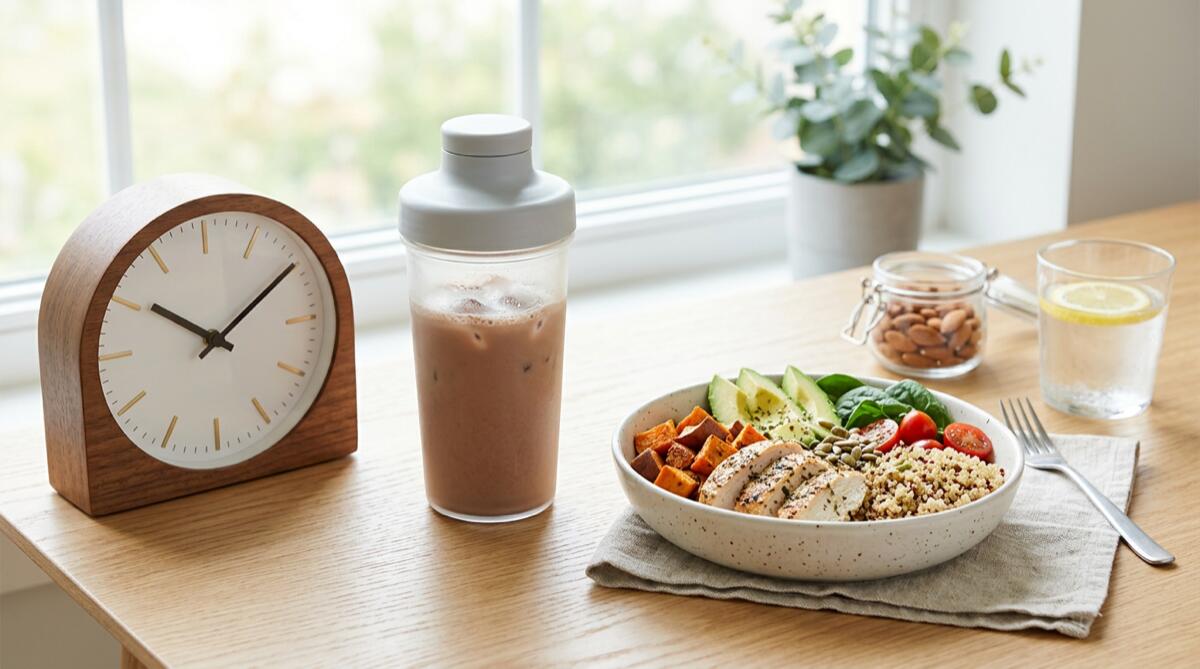
Picture this: You've just finished a grueling workout. You drop your weights, sprint to your gym bag, and frantically shake your protein bottle. You have to drink it within 30 minutes, right? Otherwise, your entire workout was a waste, and your muscles will instantly catabolize. Welcome to the infamous "anabolic window"—one of the most persistent myths in the fitness industry.
For decades, protein timing has been a hot topic among bodybuilders, athletes, and fitness enthusiasts. The idea that when you consume your protein is just as important as how much you consume has driven supplement sales and gym behaviors for years. But does protein timing actually matter? What does modern nutritional science say?
In this comprehensive guide, we'll dive deep into the physiology of muscle growth, debunk the myths surrounding the anabolic window, and give you practical, science-based strategies to optimize your nutrition. Whether you're a seasoned lifter or just starting to track calories for weight loss, understanding how your body utilizes protein will help you get better results with less stress.
What is Protein Timing?
Protein timing refers to the specific strategic consumption of protein in and around your workout, as well as how you distribute your protein intake throughout the day. The primary goal of protein timing is to maximize Muscle Protein Synthesis (MPS) and minimize Muscle Protein Breakdown (MPB).
To build muscle, your body must be in a net positive protein balance. This means that over a given period, the rate of synthesis must exceed the rate of breakdown. Proponents of strict protein timing argue that consuming protein immediately post-workout spikes MPS when the muscles are most receptive, thereby accelerating recovery and growth.
The Physiology of Muscle Protein Synthesis
When you eat protein, your body breaks it down into amino acids, which are then used to repair tissues, create enzymes, and build muscle. The amino acid leucine acts as the primary trigger for MPS. Think of leucine as the key that starts the engine of muscle building.
However, your body can only build so much muscle at one time. Once MPS is maximized (usually after consuming 20-40 grams of high-quality protein), eating more protein in that specific sitting won't increase muscle building further. This is known as the "muscle full effect." Because of this, how you spread your protein throughout the day becomes an important piece of the puzzle.
The Myth of the 30-Minute Anabolic Window
The concept of the anabolic window suggests that you have a narrow 30 to 45-minute timeframe post-workout to consume protein, or you'll miss out on the muscle-building benefits of your training. But modern research, spearheaded by experts like Dr. Brad Schoenfeld, has largely debunked this narrow window.
Studies show that a resistance training session elevates your muscle's sensitivity to protein not just for 30 minutes, but for 24 to 48 hours after your workout. As long as you are consuming adequate total protein throughout the day, your muscles will recover and grow.
So, why did the 30-minute myth start? Early studies showing the benefits of immediate post-workout protein were often conducted on fasted subjects. If you train completely fasted, your body is in a catabolic state, and getting protein in quickly does matter. But if you've eaten a meal containing protein 1-3 hours before your workout, those amino acids are still digesting and floating in your bloodstream, ready to be used the moment you finish lifting.
Total Daily Protein vs. Protein Timing
If there's one golden rule in sports nutrition, it's this: Total daily intake trumps timing.
Before you even worry about protein timing, you need to ensure you are eating enough total protein. If your daily protein goal is 150 grams, hitting that number by the end of the day is far more important than whether you ate 20 grams or 40 grams immediately after your workout. Timing becomes a practical tool rather than a myth when your stomach can only handle small amounts at once, which is the everyday reality of hitting a protein target on a GLP-1 with almost no appetite.
If you're unsure how much protein you need, it's crucial to understand your overall energy needs first. You can start by learning how many calories you should eat per day and then breaking those calories down into macronutrients. For a deeper dive into balancing your diet, check out our guide on what macros are.
Once your total daily intake is dialed in, protein timing can offer a slight optimization—perhaps a 5% to 10% difference in results. For elite athletes, that 5% is massive. For the average person looking to look good at the beach, it's just the icing on the cake.
When Does Protein Timing Actually Matter?
While the 30-minute window is a myth for most, there are specific scenarios where protein timing becomes highly relevant:
- Fasted Training: If you work out first thing in the morning on an empty stomach, your body is in a negative protein balance. In this case, consuming protein immediately after (or even during) your workout is crucial to halt muscle breakdown.
- Two-a-Day Workouts: If you are an athlete training multiple times a day (e.g., swimming in the morning, lifting in the evening), rapid recovery is essential. Immediate post-workout protein and carbs will help replenish glycogen and kickstart repair for the next session.
- Advanced Bodybuilding: When you are near your genetic limit for muscle growth, every tiny optimization counts. Even a 2% improvement from perfect protein timing is worth the effort for a competitive bodybuilder.
- Older Adults: As we age, we experience "anabolic resistance," meaning our muscles require a stronger stimulus (more protein/leucine per meal) to trigger MPS. Proper timing and distribution become more important to prevent muscle loss.
How to Distribute Your Protein Throughout the Day
Since the "muscle full effect" limits how much protein can be used for muscle synthesis in one sitting, cramming all your protein into one massive meal isn't optimal. Instead, science suggests distributing your protein intake evenly.
The 20-40 Gram Rule
Research indicates that consuming 20 to 40 grams of high-quality protein per meal optimally stimulates MPS. To maximize growth, aim to consume this amount every 3 to 4 hours. A practical approach looks like this:
- Breakfast (8:00 AM): 30g protein (e.g., 3 eggs and a cup of Greek yogurt)
- Lunch (12:00 PM): 35g protein (e.g., chicken breast salad)
- Pre-workout Snack (3:30 PM): 25g protein (e.g., whey protein shake)
- Dinner (7:30 PM): 40g protein (e.g., salmon and quinoa)
This distribution keeps your body in an anabolic state throughout the day. If you struggle to figure out how to track these amounts, learning how to count macros is a great next step.
Pre-Workout vs. Post-Workout Protein
Which is better: a shake before you lift, or a shake after? The truth is, your body doesn't really care, as long as the amino acids are available when needed.
A study comparing pre-workout protein ingestion to post-workout ingestion found no significant difference in muscle size or strength between the two groups. If you eat a protein-rich meal 1-2 hours before training, the "post-workout window" is already covered because that food is still digesting. If you haven't eaten for 4-5 hours before your workout, then a post-workout shake becomes much more important.
The Role of Pre-Sleep Protein
One of the most exciting areas of recent protein timing research involves pre-sleep protein ingestion. Sleep is a prolonged fasting period where your body repairs itself. Consuming a slow-digesting protein before bed can provide a steady stream of amino acids throughout the night, enhancing overnight recovery.
Casein protein is the gold standard here. Found in dairy products like cottage cheese and Greek yogurt, casein gels in the stomach and digests slowly over 5-7 hours. Consuming 30-40 grams of casein about 30 minutes before bed has been shown to significantly improve overnight muscle protein synthesis and overall muscle mass over time.
Tracking Your Protein Intake Made Easy
We've established that hitting your total daily protein is the most important factor, followed by how you distribute it. But let's be honest: tracking every gram of protein, calculating leucine thresholds, and timing your meals can feel like a full-time job.
That's where technology steps in to do the heavy lifting. Using a smart tracking app can completely remove the guesswork from your nutrition. With MacroLog, you don't have to manually search for every ingredient or worry about math. Thanks to advanced AI, you can simply snap a photo of your post-workout meal, use voice logging to say "I had a scoop of whey protein and a banana," or scan the barcode of your protein bar.
MacroLog automatically calculates your macros, shows your daily protein distribution, and helps you ensure you're hitting your targets without the obsession. It's the perfect tool to put the science of protein timing into effortless daily practice.
Summary: The Final Verdict on Protein Timing
So, does protein timing matter? Yes, but not in the way the old gym myths suggest. Here are the key takeaways to remember:
- Total Protein is King: Hitting your daily protein goal is 90% of the battle. Focus on this first.
- The Window is Wide: The anabolic window is closer to 24-48 hours, not 30 minutes. You don't need to chug a shake in the locker room.
- Distribution Matters: Aim for 20-40 grams of protein every 3-4 hours to maximize muscle protein synthesis.
- Context is Crucial: Timing matters more if you train fasted, train multiple times a day, or are an advanced athlete.
- Don't Forget Before Bed: A slow-digesting protein like cottage cheese before sleep is a proven way to boost overnight recovery.
Nutrition shouldn't be stressful. By understanding the science behind protein timing, you can tailor your diet to fit your lifestyle, not the other way around. Ready to take control of your macros and build the body you want with zero hassle? Download MacroLog today and let AI simplify your fitness journey!


